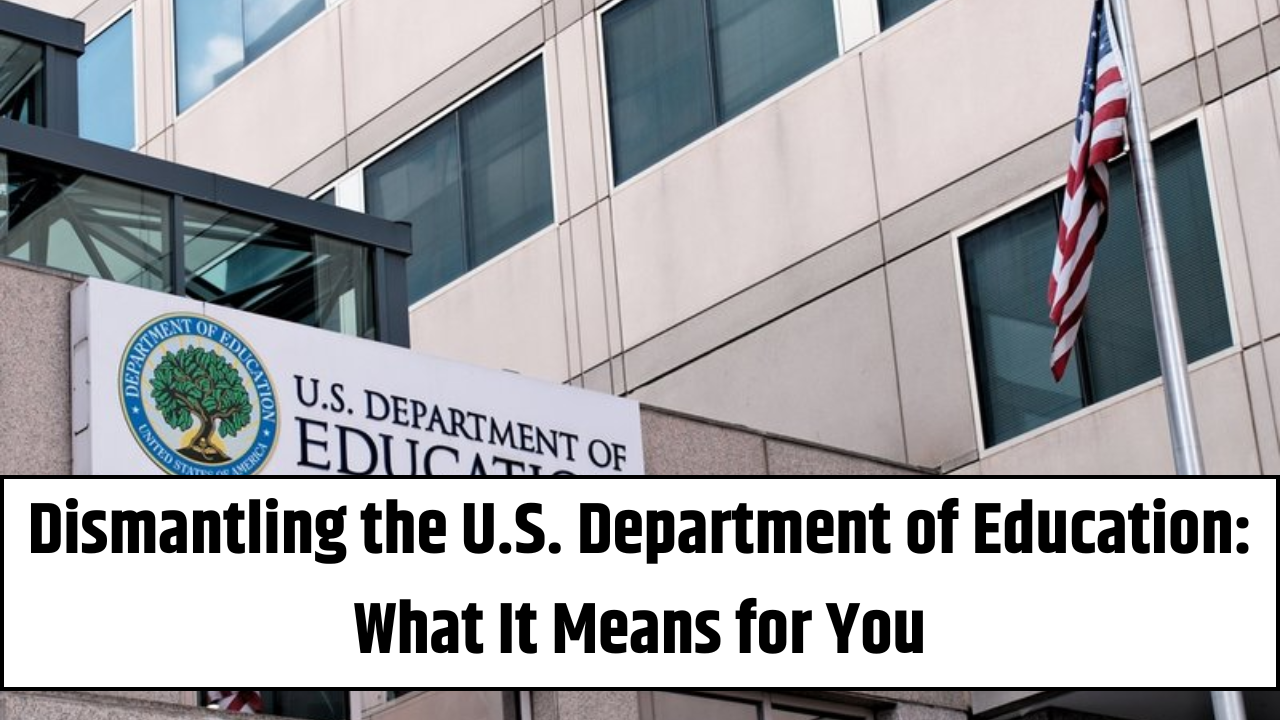
Major changes are underway at the U.S. Department of Education, with many of the agency’s responsibilities set to shift to other federal departments. While the department has not been formally closed, recent actions by the Trump administration could significantly reshape how federal education programs are administered. Here’s what students and families need to know.
What is happening to the Department of Education?
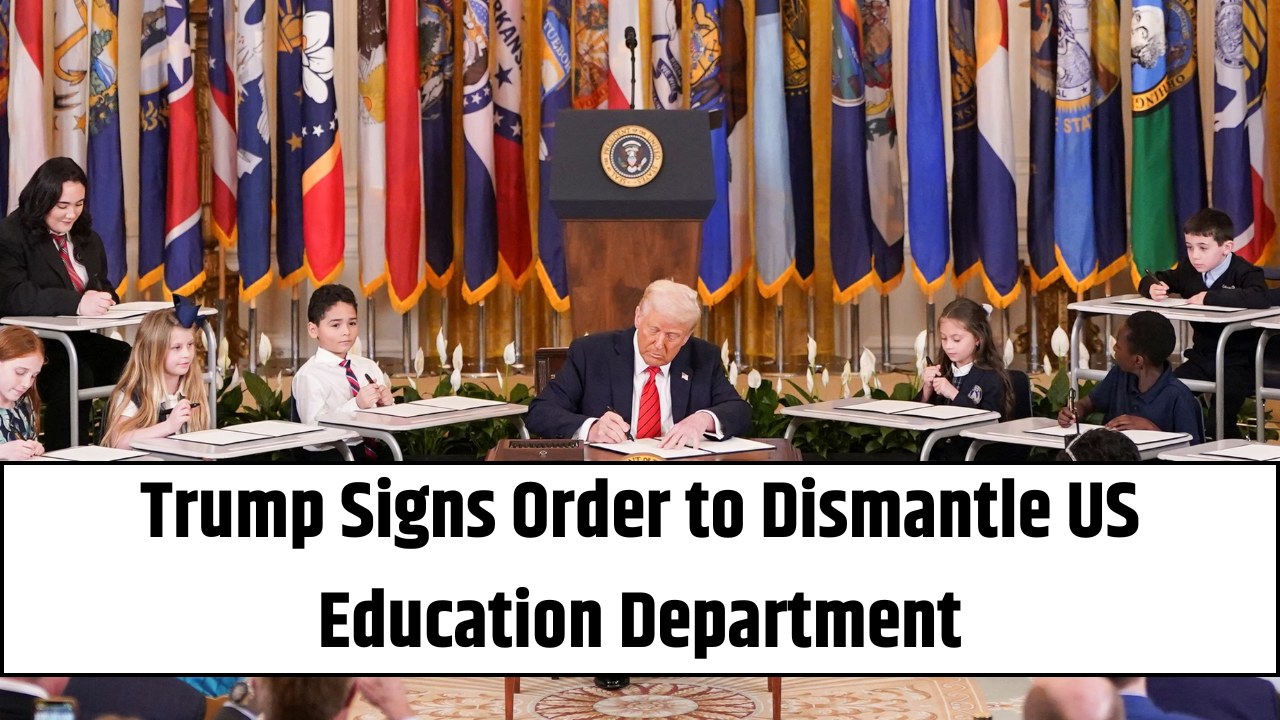
On March 20, the Trump administration issued an executive order proposing the elimination of the U.S. Department of Education (ED) and the transfer of many of its functions to state and local authorities. Earlier that month, ED announced that nearly half of its workforce would be laid off or placed on administrative leave effective March 21.

Despite the staffing reductions, the department continued operating through the spring and summer, including launching the 2026–27 Free Application for Federal Student Aid (FAFSA) ahead of schedule. On Nov. 18, the administration announced new partnerships with four federal agencies, allowing ED to transfer portions of its administrative and regulatory responsibilities. While congressional approval would be required to formally dissolve the department, these transfers would leave ED with a much smaller role.
Responsibilities being shifted include:
- Department of Labor (DOL): Oversight of elementary, secondary and postsecondary education programs, including trade and workforce training.
- Department of the Interior: Management of education programs and schools serving Native American communities, in coordination with Tribal governments.
- Department of Health and Human Services (HHS): Oversight of accreditation for foreign medical schools and on-campus childcare programs for student parents.
- Department of State: Administration of federally funded study abroad programs.
When will the changes take effect?
The announcement outlining these changes was made in November, but no specific implementation date was provided. However, transitions are expected to begin as early as 2026.
How could current students be affected?
Several federal grant programs are expected to move from ED to the Department of Labor. Although officials say funding levels and eligibility rules will remain unchanged, the transition could affect program administration.
Programs being transferred include:
- GEAR UP, which supports college preparation and scholarships for low-income students.
- The Augustus F. Hawkins Centers of Excellence, which fund teacher training initiatives.
- Title III grants, which support historically Black colleges and universities (HBCUs).
- Howard University, which receives partial federal funding.
- Programs supporting college access and services for students with intellectual disabilities.
What does this mean for future students?
The Department of Education says transferring programs to the Department of Labor will strengthen workforce development, citing an annual labor shortfall of approximately 700,000 workers. The administration argues the changes will improve career training and expand funding for skilled professions.
However, other policy changes tied to the administration’s “One Big, Beautiful Bill Act” may limit borrowing options for graduate students. Beginning in July 2026, most graduate students will face a borrowing cap of $20,500 per year. Students in professional degree programs — as defined by ED — will be allowed to borrow up to $50,000 annually. Notably, programs in nursing, physician assistant studies and physical therapy are currently excluded from the professional degree designation.
What happens to federal student loans?

The partnership announcement did not address the future of the federal student loan portfolio, which totals nearly $1.7 trillion. Earlier this year, the administration floated the idea of transferring student loan oversight to the Small Business Administration or the Treasury Department. There have also been concerns about the potential sale of parts of the loan portfolio to private investors.
For now, federal student loans remain under ED through the Office of Federal Student Aid (FSA). Because FSA was created by Congress, relocating it would likely require legislative approval. Experts have also raised concerns about the risks of privatizing federal student loans.
At present, there are no immediate changes to loan processing, forgiveness programs or FAFSA-related aid. However, the “One Big, Beautiful Bill Act” includes major updates to repayment rules, including the introduction of a new Repayment Assistance Plan to replace existing income-driven repayment options beginning in July 2026.
Will FAFSA applications be affected?
FAFSA processing remains unchanged. The Department of Education continues to manage FAFSA applications, and students are encouraged to submit forms as early as possible.
The 2026–27 FAFSA is now available, with a final submission deadline of June 30, 2027. However, colleges and universities often set earlier priority deadlines for financial aid consideration. Dependent students must ensure both they and their parents complete the FAFSA to remain eligible for federal, state and institutional aid.